
Custom Carpentry Singapore Price: A Practical Buying Guide

What if a lower carpentry quote costs more because important items were left out? When comparing a custom carpentry Singapore price, it’s tempting to focus on the headline figure. But unclear inclusions, vague material descriptions and installation requirements can make two proposals difficult to compare fairly.
The quotation can change with the dimensions and layout, board and finish choices, internal storage, hardware and installation work. Site access, building management requirements and coordination with other fit-out activities can also affect the scope. A clear proposal helps you understand what you’re paying for before work begins.
This guide explains the main factors behind a custom carpentry quotation in Singapore and how to compare proposals on an equivalent basis. You’ll learn what to check in the scope, materials, finishes, exclusions and installation arrangements, and what to prepare before requesting a contractor’s quote. The goal is to make the budget easier to assess without overlooking details that could matter later.
Table of Contents
Custom Carpentry Singapore Price: What Does a Quote Actually Cover?
There isn’t one reliable figure for custom carpentry without a defined project scope. A reception counter, a run of storage cabinets and a display unit may all be described as carpentry, but they differ in size, design, materials, finish and installation needs. The custom carpentry Singapore price in a proposal should therefore be treated as a project-specific figure, not a standard rate.
A useful quote sets out what will be made and installed, based on the brief and the dimensions or drawings available. It should identify the specified materials and finishes, and state whether delivery and installation are included. This guide focuses on the variables that shape a quotation, not a market price or guaranteed project cost. For broader background on the craft, materials and tools, see Woodworking.
What counts as custom carpentry in a commercial project?
Commercial custom carpentry can include reception counters, built-in storage, retail display units and other joinery designed for a particular space. These items are made to fit the project brief rather than selected as standard, ready-made furniture—a philosophy demonstrated by bespoke joinery studios like Eben&Or that highlight the craft of tailored interior woodwork. The final inclusions depend on what’s agreed and shown in the confirmed drawings.
Fabrication covers making the carpentry components. Installation is the work of fitting them at the premises. Other fit-out trades, such as electrical work or wall preparation, are separate unless the proposal specifically includes them. Confirm who is responsible for each item before comparing quotes.
Why can two carpentry quotations differ?
Two proposals can describe similar items but allow for different dimensions, internal layouts, material specifications or finishes. A design with unusual angles, detailed edges or several separate components may also require different fabrication work from a straightforward unit. Installation conditions matter too, including how the items can be brought into and fitted within the premises.
Check the assumptions behind each figure. One quote may include delivery and installation, while another may exclude them or leave details to be confirmed. Vague descriptions make it difficult to tell whether the proposals cover the same work.
Scope: Which units and components are included?
Specification: Are materials, finishes and internal configurations described?
Installation: Does the quote state what fitting work is covered?
Exclusions: Are related trades and unresolved items identified?
A carpentry quote is meaningful only against a defined scope. Before weighing the figures, check that the proposals refer to equivalent drawings, specifications and responsibilities. This gives you a clearer basis for understanding what each contractor has allowed for and what still needs clarification.
What Factors Affect Custom Carpentry Prices in Singapore?
A quotation reflects more than the visible size of a cabinet or counter. The amount and complexity of the carpentry, the materials and fittings specified, and the conditions for bringing it to site and installing it all shape the work involved. Check these details when assessing a custom carpentry Singapore price.
Scope and quantity: Confirm which units, components and internal features are included. A single counter and several storage units involve different amounts of fabrication.
Dimensions and geometry: Bespoke shapes, angled sections, tight junctions and built-in elements affect how components are measured, made and fitted.
Materials and finish: Compare specific material types, such as plywood, solid timber or laminate, and clearly describe the intended surface finish. Avoid relying on broad labels such as “premium” without a defined specification.
Hardware and detailing: Identify fittings, hinges, handles, drawer components and visible edges. State internal finishes too, rather than assuming they are included.
Delivery and installation: The proposal should account for how items reach the space, where they will be installed and what fitting work is included.
How materials, finishes, and hardware influence the quotation
Material names alone may not provide enough detail to compare proposals. Ask contractors to identify the material and finish allowed for, including visible surfaces, edges and interiors. List hardware by type or specification where possible, and make sure each proposal addresses the same features. If a material is described as durable, low-emission or suitable for a particular use, ask what the description is based on instead of assuming one option is always superior.
Clear specifications also help separate carpentry decisions from wider project requirements. For general built-environment information, refer to the Building and Construction Authority (BCA). Confirm applicable site and building management requirements directly with the relevant parties.
How measurements and site conditions change the work
Drawings help establish the brief, but site measurements can reveal irregular walls, uneven floors or constraints that affect how joinery fits. Access routes matter too. Check whether the units can be moved through the building and into the work area as planned. Delivery conditions, approved work periods and building management procedures may also affect installation arrangements. Confirm these early with building management and the appointed contractor.
The main cost drivers are the scope, dimensions, specification and delivery and installation conditions. To discuss the requirements for a commercial joinery project, share your carpentry brief with JM & SONS.
How to Compare Custom Carpentry Quotations Without Missing Scope
A lower headline figure doesn’t establish better value if the proposal covers fewer items or leaves important work undefined. To compare a custom carpentry Singapore price fairly, put each contractor’s inclusions side by side and check whether the proposals describe the same work. A difference may reflect a difference in scope, not simply the amount charged for equivalent carpentry.
Prepare a comparison table with one row for each item and a column for each proposal. Record what’s stated, what’s excluded and what needs clarification. The Straits Times has discussed carpentry as a major part of home renovation budgets, but residential renovation figures shouldn’t be treated as a benchmark for commercial joinery. For your project, rely on the actual scope and specifications in each contractor’s proposal.
Quotation checklist: what should be stated clearly?
Make sure each unit can be identified by its location, quantity and key dimensions. Check that the drawings referenced are the same across proposals, then compare material and finish descriptions for visible and internal surfaces. Note the hardware and fittings included as well.
For delivery and installation, record who is responsible for site protection and disposal, where applicable. Don’t treat an item as included just because it appears in a drawing or was discussed verbally. Ask for it to be stated in the written proposal.
Units: Location, quantity and key dimensions
Drawings: Drawing references and revision details
Specifications: Materials, finishes, hardware and internal surfaces
Site work: Delivery, installation, protection and disposal responsibilities
Commercial terms: Exclusions, assumptions and how variations will be handled
Questions to ask before accepting a carpentry proposal
Ask how design changes, differences found during site measurement and additional work will be recorded and approved. Confirm who coordinates measurements, fabrication details and installation arrangements, and which decisions or information you need to provide. A clear process helps prevent assumptions from becoming disagreements once work is underway.
For carpentry delivered as part of a broader project, clarify how the joinery work connects with other fit-out activities. You can also review commercial office fit-out services to understand the wider project context.
Gather the drawings, specifications and questions before discussing the project. Discuss your carpentry project scope with JM & SONS so the proposed work can be considered alongside the broader fit-out requirements.
Planning Custom Carpentry in Singapore: From Site Brief to Installation
A clear project sequence keeps the carpentry brief, quotation and site work connected. Agree on the stages and responsibilities with the appointed contractor early, especially if the joinery forms part of a wider commercial fit-out. This makes it easier to identify what can be confirmed from the brief and what still needs checking on site.
What information should you prepare for an accurate quote?
Start with what you have, even if some details are provisional. A useful brief gives the contractor a clear picture of the items, their purpose and the space they need to fit. Share:
Available floor plans and marked-up dimensions
Reference photos or drawings showing the intended appearance
The intended use, location and quantity of each joinery item
Material and finish preferences, including any internal requirements
Known site constraints, such as limited access or existing features to work around
Ask which dimensions and specifications can be used for the initial quotation, and which need confirmation through a site visit or measurement. This helps distinguish a defined scope from assumptions that may need revision after site conditions are checked.
How do fabrication and installation fit into the project?
Once the scope and specifications are agreed, the contractor can coordinate the drawings and fabrication details before the carpentry is made. The sequence should identify when measurements are confirmed, who checks the details and how changes are recorded. Before delivery is scheduled, confirm that the site is ready and that access and installation arrangements have been coordinated.
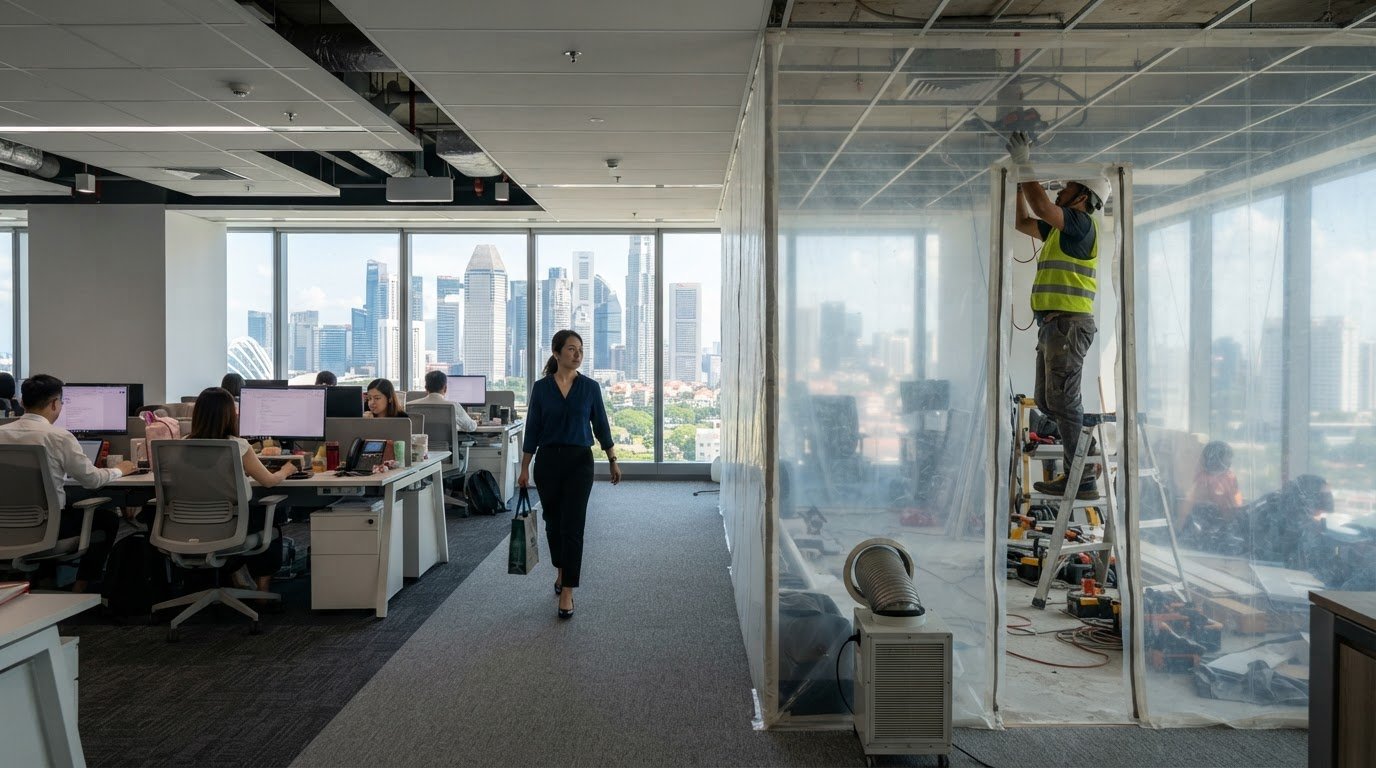
In Singapore, commercial premises may have landlord or building management procedures to follow. Check the relevant requirements for access, delivery and permitted work periods with building management and the appointed contractor. If the work involves authority or other building requirements, verify what applies with the relevant parties rather than relying on assumptions.
A practical sequence is:
Brief: Share plans, intended use, references and known constraints.
Measure: Confirm site dimensions and conditions with the contractor.
Specify and quote: Align drawings, materials, finishes, fittings and scope.
Fabricate: Proceed using the agreed details and change process.
Install: Coordinate delivery, access and site arrangements before work begins.
Custom carpentry Singapore price discussions are more useful when the project sequence and decision points are clear. For work connected to wider commercial project coordination, see JM & SONS’ commercial fit-out services. To discuss your carpentry brief, share your floor plan and project details with the team.
Choosing a Custom Carpentry Contractor in Singapore and Requesting a Quote
A contractor’s proposal should make clear what will be made, how the work will be coordinated and who is responsible for each stage. Relevant commercial experience matters because fitted joinery needs to suit both the brief and the actual site. Clear communication matters too. You should be able to ask how assumptions are handled and receive a direct answer before appointing a contractor.
JM & SONS provides commercial carpentry and custom joinery as part of its broader commercial fit-out work. As with any contractor, verify applicable registrations and certifications directly before treating them as part of your decision.
What to look for in a Singapore carpentry contractor
Check that the proposed scope matches your project needs. Depending on the brief, confirm whether design coordination, site measurement, fabrication, delivery and installation are included, and which party is responsible for each. A quote should also identify its assumptions and exclusions, with a clear process for documenting design changes or additional work.
Use communication as a practical test. Ask who will be your point of contact, how questions will be recorded and how you’ll be informed if site conditions affect the agreed scope. If credentials are relevant to your procurement requirements, confirm their current status through the appropriate channels rather than relying on an unverified description.
What to send JM & SONS when requesting a quotation
You don’t need a complete design package to start a discussion, but useful project information helps clarify what can be priced and what needs confirmation. Share the documents and details you already have:
Floor plans, marked-up dimensions and site photographs
A list of required joinery items, including their locations and intended use
Material and finish preferences, drawings or reference images
Known access limits and relevant landlord or building management conditions
Target project milestones and any details that remain undecided
Ask the contractor to flag provisional details, such as dimensions that still require site measurement. That gives you a clearer basis for understanding the custom carpentry Singapore price and what may change as the brief is confirmed.
For a straightforward first step, send JM & SONS your floor plan, site photos or written scope. The information can help the team understand the commercial carpentry requirements and identify what needs clarification for a quotation.
Make Your Carpentry Quote Easier to Assess
A clear comparison starts with a defined scope. Check that proposals describe the same dimensions, materials, finishes, hardware and installation responsibilities, then clarify exclusions and how changes will be handled. The custom carpentry Singapore price is meaningful only when you understand what the quote covers.
JM & SONS provides commercial carpentry and custom joinery as part of its broader fit-out work. To discuss your project, share your floor plan, site photos or carpentry scope on WhatsApp.
Suggested meta title: Custom Carpentry Singapore Price: Buying Guide
Suggested meta description: Learn what affects custom carpentry quotations in Singapore, how to compare scope fairly, and what to clarify before appointing a contractor.
Suggested internal link:commercial carpentry and fit-out services
Frequently Asked Questions
How much does custom carpentry cost in Singapore?
There’s no single reliable price for custom carpentry in Singapore without a defined scope. The custom carpentry Singapore price depends on the items, dimensions, materials, finishes, hardware and installation arrangements in the proposal. A reception counter with specific storage needs, for example, isn’t directly comparable to a standard cabinet. Request a project-specific quotation and check what it includes before using the figure to set your budget.
What affects the price of custom carpentry?
The main factors are the quantity and size of the units, design complexity, material and finish specifications, hardware, and site installation conditions. Bespoke shapes or detailed edges may require different fabrication work from simple forms. Delivery access and building management arrangements can also affect the scope. Ask the contractor to state which materials and fittings are included and identify assumptions that could change after site measurement.
How do I compare custom carpentry quotations?
Compare proposals against the same drawings and itemised scope, not just their headline figures. Check each unit’s location and dimensions, material, visible and internal finishes, hardware, delivery and installation. Then identify exclusions, assumptions, variation procedures and who is responsible for each task. If a proposal leaves details open, ask for clarification in writing. This helps you judge whether the quotations cover equivalent work before making an appointment decision.
What information should I provide for a carpentry quote?
Share any available floor plans, marked-up dimensions, reference photos and a list of the joinery items you need. Include each item’s location and intended use, material or finish preferences, and known site constraints. For a Singapore commercial site, mention relevant access conditions or building management requirements. Ask which details remain provisional until a site visit or measurement, so you know what could affect the final scope.
Does custom carpentry pricing include installation?
Not necessarily. Installation may be included, excluded or described only in general terms, so check the written quotation rather than assuming it is part of the price. Confirm whether delivery, fitting, site protection and disposal are covered where relevant, and clarify who coordinates access and installation arrangements. If any related work is by others, ask the contractor to identify that responsibility. Clear inclusions make proposals easier to compare and help avoid misunderstandings.
Can building management requirements affect a carpentry quotation in Singapore?
They can affect the work arrangements and responsibilities allowed for in a quotation. Building management may have procedures concerning site access, deliveries or permitted work periods. Confirm current requirements with the landlord or building management and share them with the contractor before the scope and installation plan are agreed. Don’t assume a delivery or work arrangement is acceptable until the relevant parties have confirmed it.
Is bespoke carpentry worth choosing over standard furniture for a commercial space?
Bespoke carpentry may suit a commercial space when the required dimensions, layout or use call for joinery made to fit the project. Standard furniture may be a practical alternative if ready-made sizes and configurations meet the need. Compare the purpose, site fit, specified finish and installation requirements, as well as the scope of each option. The right choice depends on the brief and how the space needs to function, not on a universal rule.

Comments