
Reinstatement Cost Per Sq Ft in Singapore by Unit Type

There’s no fixed reinstatement cost per sq ft in Singapore. The budget depends on the unit type, the fit-out to be removed, the required handover condition and any lease or building-management requirements.
Floor area is a useful starting point, but two units of the same size can require very different work. Offices, retail shops, F&B outlets and industrial spaces have distinct removal and reinstatement needs. Approvals and work timing can also affect the scope.
This guide explains what reinstatement covers and how the scope varies by commercial unit type. It also looks at lease make-good terms, building-management requirements and approvals, helping you build a more realistic budget before handover.
Table of Contents
How can a professional help you avoid hidden reinstatement costs?
A clear scope links the reinstatement budget to the actual work, not just floor area. Fit-out complexity, removal requirements, permits and work timing all affect the quotation.
Fit-Out Complexity and Cost Factors
Fit-out complexity refers to the amount and type of installed work that must be removed or returned to the landlord’s required condition. Two offices with identical floor areas can have very different scopes: one may need partition and ceiling removal, while another may also have raised flooring, built-in joinery and extensive mechanical and electrical work.
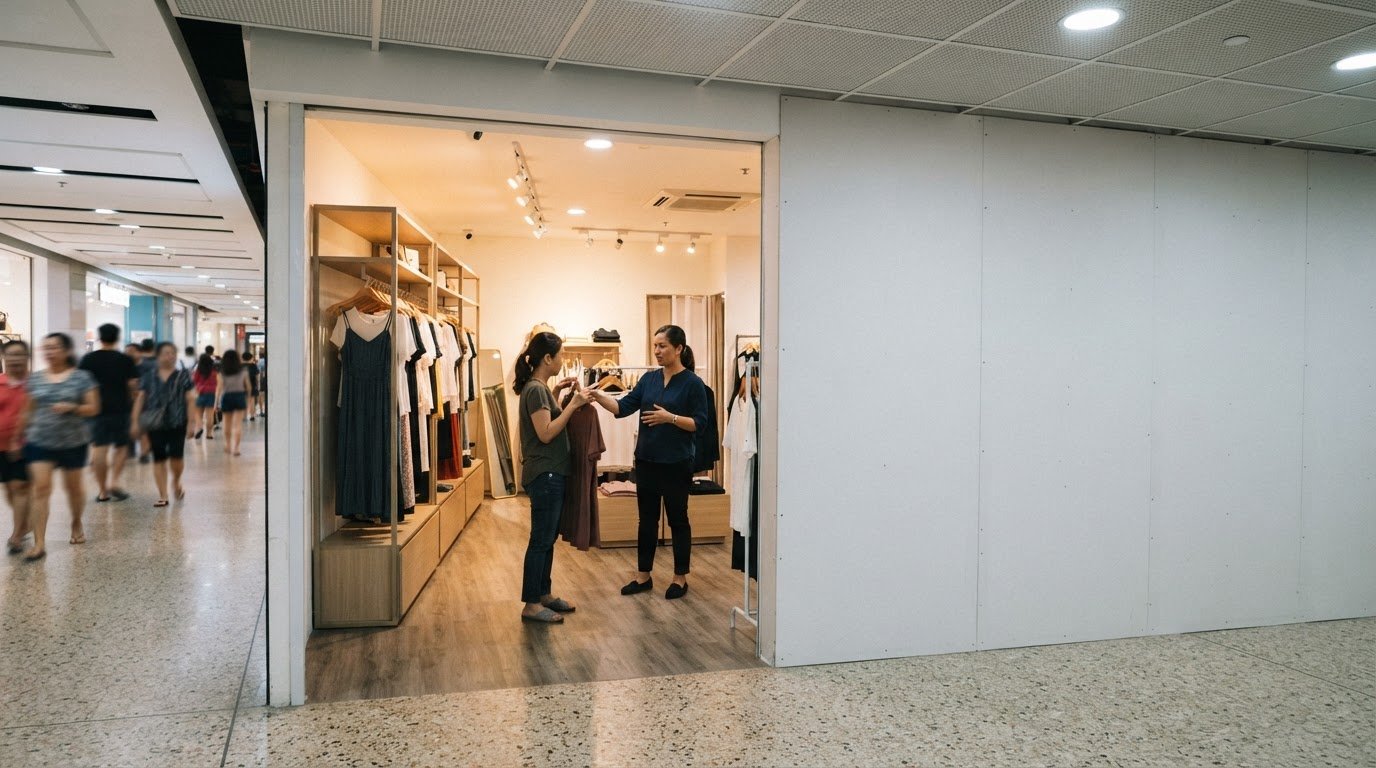
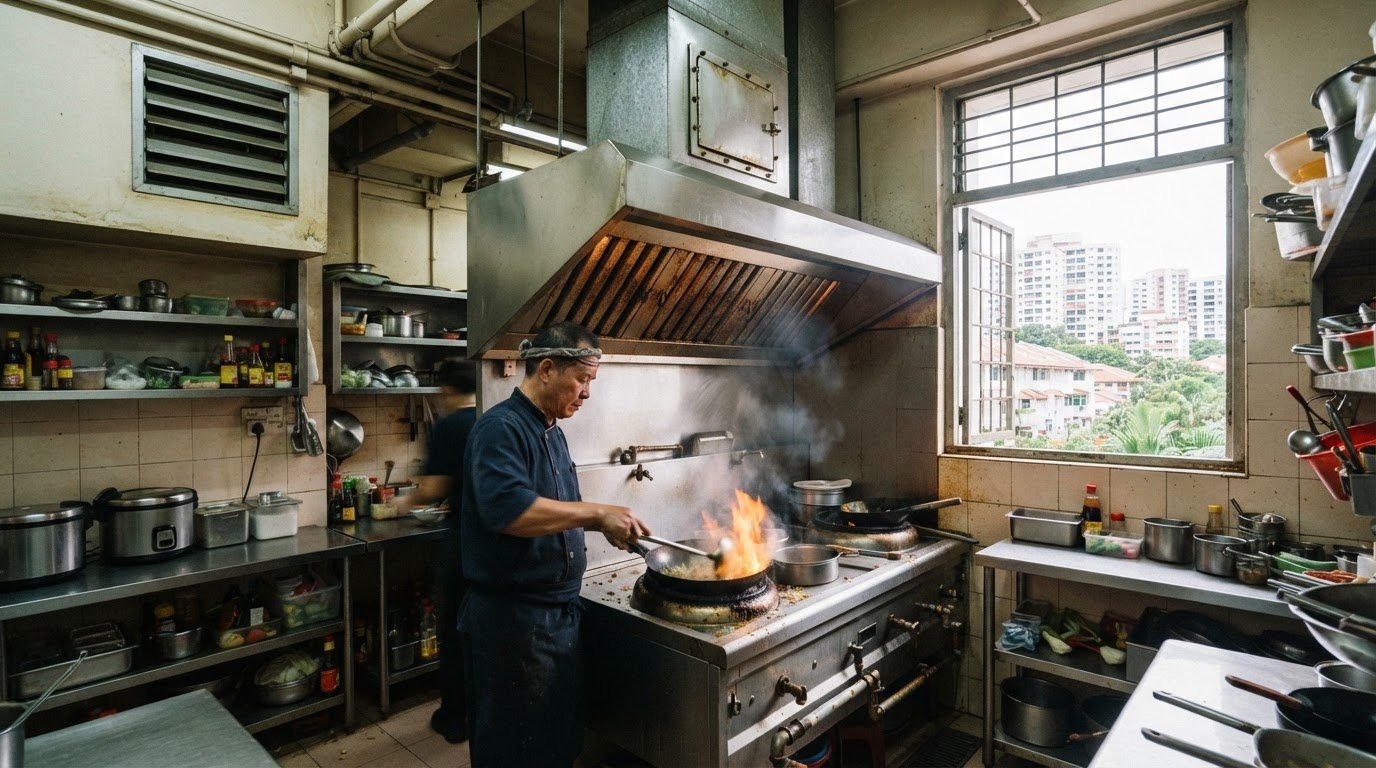
Retail, F&B and warehouse units have their own requirements. A shop may have fixed display units, an F&B outlet may include kitchen services, and an industrial space may contain specialised equipment. Each affects removal, disposal and reinstatement work. Floor area alone therefore gives an incomplete picture of office reinstatement costs.
How Professionals Can Help Reduce Reinstatement Costs
A contractor can help prevent avoidable work by turning lease requirements and site conditions into a coordinated scope. Removing an item the landlord is willing to retain can add unnecessary demolition, while omitting required work can lead to extra charges later.
A site review can record partitions, ceiling finishes, raised floors, service connections and built-ins. The contractor can then organise removal, disposal, permits and trade sequencing around the agreed handover condition. Early coordination can also identify items that may stay with the landlord’s agreement, rather than being priced for removal by default.
Assessing Reinstatement Quotes and Identifying Hidden Costs
A useful quotation clearly describes the work, exclusions and assumptions. A low headline figure may leave out tasks needed for handover.
Check whether the scope lists ceiling and partition removal, reinstatement of electrical and plumbing services, disposal, cleaning, permits and building-management coordination. Note items marked as excluded or dependent on site conditions. Each allowance should relate to a defined task, such as removing a fixed counter or disconnecting a service point.
Compare quotations by scope, not just total. For example, check whether both office reinstatement proposals include raised-floor removal and waste disposal. A written site assessment and clearly stated inclusions make differences easier to understand before work begins.
Additional Charges for Reinstatement Work
Extra charges can arise when the agreed scope requires specialist trades, restricted work hours or separate approvals. Service disconnection and fire-safety work, for example, may need coordination beyond general demolition.
Electrical, plumbing, air-conditioning and fire-safety reinstatement can add work if services must be isolated, removed, capped or returned to an agreed condition. Sprinkler pipes may need draining, and sprinkler heads may need relocation by a certified fire protection specialist. The specific tasks depend on the existing installation and the required handover scope.
After-hours work can affect labour and coordination costs, particularly where building access limits the work schedule. Singapore’s GST rate is 9% where the contractor is GST-registered. Confirm whether a quotation includes GST, permit-related items, disposal and after-hours requirements, and check building-management conditions for the premises.
What Is a Reinstatement Cost Singapore?
A reinstatement cost is the budget for completing the agreed restoration work before a commercial unit is handed back. The total is based on the work scope and measured quantities, not area alone.
Office Cost Estimates by Floor Area
Floor area helps establish the scale of an office estimate, while the total reflects the work needed across the premises. A 500 sq ft office and a 2,000 sq ft office have different amounts of space to address, but their totals don’t necessarily rise in direct proportion.
A project estimate is built from the tasks and quantities recorded during assessment. It can include dismantling, removal, site clearing, making good and final handover. The lease’s required return condition determines which tasks belong in the estimate.
Office Reinstatement Cost per Square Foot
A per-square-foot figure expresses an estimated total in relation to the measured office area. It can help with early budgeting, but it does not describe the completed scope or the condition the premises must meet at handover.
For example, an estimate based on a 1,000 sq ft office should be read alongside the stated work quantities and included tasks. It should also distinguish work that restores surfaces from work that removes items. This helps decision-makers understand what the overall estimate represents without treating the rate as a complete specification.
Pricing, Size and Fit-Out Scope
Office totals combine the area considered with the individual tasks needed to meet lease requirements. An estimate is meaningful only when its basis and included work are clear.
A written assessment can group work by activity, quantity and location, and state assumptions about the required handover condition. Making good an affected surface, for example, is different from removing an installation. Keeping the tasks distinct helps facility managers relate the estimate to the agreed outcome and plan the handover.
Reinstatement prices per square foot by commercial unit type
Commercial unit types differ in the work left behind by their original use. In Singapore, retail and F&B premises often have more built-in work to remove than offices, which can affect their relative reinstatement budgets.
Typical and Average Per-Square-Foot Costs
A typical per-square-foot estimate is a comparison tool, not a universal rate for every commercial use. An office, shop and food outlet can have different removal needs even at similar sizes.
An office comparison usually centres on workplace installations, while a retail shop may have fixed display features and an F&B unit may include kitchen-related installations. Retail and F&B reinstatement usually costs more than office reinstatement because these premises often have more built-in work to remove. That relative difference is a starting point, not a substitute for assessing the specific unit.
Warehouse and industrial units need a separate comparison. Their reinstatement scope may involve installed equipment or operational areas rather than the customer-facing fixtures found in a shop. Comparing their rates directly with those of a simple office can obscure what each estimate covers.
Gross Floor Area and Work Area Basis
The measurement basis identifies the area used to calculate a per-square-foot figure. It matters because it affects how estimates for different unit types should be interpreted.
For an office, a quotation might use the leased floor area; for a retail or F&B unit, work may be concentrated around specific installed features. Ask the contractor to state the area basis and explain how it relates to the quoted tasks. Don’t treat different measurement methods as equivalent when comparing figures.
Consider two retail spaces: a dry-goods shop with limited built-ins and a mall unit with extensive fixed displays. Although they serve similar purposes, the work needed to remove their installations can differ. Likewise, an F&B unit with a full kitchen has a different reinstatement profile from a café with fewer kitchen elements.
For a warehouse, distinguish open storage space from areas with installed operational equipment or enclosed offices. These features can make a simple floor-area comparison less useful. The unit type is a helpful label, but the actual layout and original use determine how meaningful the comparison is.
To compare commercial estimates fairly, first group them by use: office, retail, F&B or industrial. Then compare similar premises and note major differences in their original use. This prevents a shop with extensive built-ins from being treated as equivalent to a lightly fitted office, even if they have the same floor area.
Lease make-good clauses and landlord requirements
Yes. Commercial tenancy agreements in Singapore commonly set out reinstatement requirements, and most commercial leases require the outgoing tenant to reinstate before handover. The lease sets the applicable deadline, so there is no single deadline for every unit.
Incomplete work can leave a tenant facing additional costs or an unfinished handover. JTC tenants may face double rent from lease expiry if reinstatement is incomplete or they remain on the premises. Confirm the applicable terms and potential consequences with JTC or the relevant authority.
A make-good clause defines the condition the landlord expects at the end of the tenancy. It may specify which partitions, ceilings, lighting, fixtures or service changes must be removed, and which items may stay. The exact wording matters: removing every fixture may be unnecessary if the landlord agrees the next tenant can keep some items.
Read the reinstatement clause alongside schedules, fit-out approvals and written landlord instructions. These documents can clarify whether you must remove the original fit-out, repair affected surfaces or return services to an earlier arrangement. A clause requiring removal of added partitions, for example, may not say whether altered lighting must also be restored. List each requirement as a separate work item before budgeting.
Start planning three to six months before lease expiry. This allows time to interpret the clause, discuss retaining fixtures with the landlord, arrange a site review and plan around building access. JTC contacts tenants about six months before lease expiry to arrange a joint site inspection. The inspection can help identify the handover scope, but it does not replace the tenant’s lease obligations.
Keep written records of the landlord’s decisions. If the landlord agrees to retain a reception counter or lighting, document the agreement and identify the item clearly. A verbal understanding can be difficult to reconcile with a later inspection. Include approved changes in the work scope so the contractor and building management share the same handover requirements.
Turn the lease into a practical checklist covering removal, repairs, cleaning, access, permits and inspections. Mark each item as required, retained with agreement or awaiting a landlord decision. This separates contractual obligations from assumptions and gives the quotation a clear basis.
Plan the final inspection and key handover for the final week of the lease, leaving time to address any issues found during the walkthrough. Compare the completed space with the written make-good scope, including partitions, lighting and altered finishes. For JTC premises, incomplete reinstatement or continued occupation after expiry may have rent consequences, including possible double rent from the expiry date. Confirm the applicable terms and consequences with JTC or the relevant authority, and check the handover process with the landlord or building management.
What Affects Reinstatement Costs Per Sq Ft in Singapore?
Beyond unit type and listed work, cost planning depends on how clearly the project scope, quantities and programme are defined. These factors affect the uncertainty between the initial estimate and the completed work.
Quality of existing records. Fit-out drawings, alteration records and earlier handover documents can help establish what changed during the tenancy. If records don’t match the premises, the estimate may need to rely more on observations and measured quantities. A drawing showing an old partition layout, for example, won’t capture later office changes. Clear, current records help the project team build the scope around the premises as they stand.
Quantity-based work items. Reinstatement is not always measured only by floor area. A 2026 HDB tender for commercial-unit reinstatement itemises different work types, with some measured by area and others priced by quantity or unit. This illustrates why the number of individual items matters. A quotation can use a floor-area rate for one part of the work and separate quantities for other tasks.
Programme and sequencing. A compressed schedule can affect how work is organised and may increase costs in Singapore. A project with several dependent tasks, for example, may need a different programme from one where activities can proceed independently. Handover timing, access to the premises and the agreed work sequence all shape the plan. A realistic programme helps identify where delays or acceleration could affect the budget.
Contingency planning. A contingency is a budget allowance for scope changes or conditions discovered during the work. Market guidance recommends adding 15-20% for medium-specification reinstatement projects in Singapore, and 20-30% for high-specification or specialist projects. These are planning allowances, not a contractor’s quoted price. The appropriate allowance depends on how much uncertainty remains in the project scope and the complexity of the premises.
Estimate assumptions. Estimates can differ because they use different assumptions about quantities, work sequence or the required condition at completion. A useful review records each assumption beside the relevant work item. If one estimate uses measured quantities and another uses provisional allowances, for example, the difference should be clear before either becomes the working budget.
Share your drawings, current site photos and handover documents to support a clearer review of the project basis. Send your reinstatement information for discussion.
JM & SONS General Contractor Pte Ltd: change of use submission Singapore
JM & SONS General Contractor Pte Ltd coordinates change-of-use submissions alongside commercial space planning and construction work. If the intended use of a premises is changing, submission requirements may affect the project scope, layout and approvals. Requirements depend on the premises and proposed use, so confirm what applies with the relevant authorities and building management.
For businesses planning a move or change, Commercial Space Planning can help align the proposed layout with operational needs. Where construction is required, Commercial Interior Fit-Out and Office Renovation and Fit-Out cover the physical works as part of the wider project. Coordinating the submission and fit-out scope helps clarify how planning decisions relate to the intended use of the premises.
Contact JM & SONS General Contractor Pte Ltd to discuss your project and share relevant floor plans or submission documents.
Plan the handover around what comes next
The reinstatement decision can shape more than the final inspection. It can also affect how the premises are prepared for their next use. Before agreeing on the work, align the lease handover condition with any planned changes to the space. This sets a clear endpoint for reinstatement and helps avoid treating future fit-out needs as the outgoing tenant’s responsibility.
A per-square-foot estimate is most useful when it supports a decision, not when it stands alone. Reinstatement cost per sq ft in Singapore can guide early planning, while the agreed scope and documented handover requirements provide the basis for decisions. If the premises will be occupied or adapted after handover, Commercial Space Planning, Commercial Interior Fit-Out or Office Renovation and Fit-Out may be relevant to the next project phase.
For a calm, practical discussion, contact JM & SONS General Contractor Pte Ltd with the lease clause or landlord’s handover notes. A clear next step can make planning easier.
Frequently Asked Questions
What is included in office reinstatement?
Office reinstatement covers the work needed to meet the agreed return condition. Depending on the lease scope, this may include dismantling partitions, removing built-ins, clearing the site, making good affected surfaces and preparing for handover. Removing a partition, for example, may leave floor or ceiling marks that need repair. The written scope should link each removal task to the required finished condition.
Do I have to remove everything when I move out?
No, the lease and the landlord’s written instructions determine what must be removed. Some fixtures, such as a reception counter suited to the incoming tenant, may stay if the landlord agrees. Keep the agreement in writing and identify retained items clearly. This distinguishes approved retention from incomplete work at the final inspection and prevents removal tasks being added based on assumptions.
Do I need to reinstate everything that my company installed?
Not necessarily. The tenancy agreement may require certain alterations to be removed while allowing others to stay with the landlord’s approval. A company-installed meeting-room partition, for example, may need removal, while installed lighting could remain by agreement. Match each installation to the lease clause, fit-out approval and any written landlord decision. This gives the handover team a clear record of what stays and what goes.
What is the average reinstatement cost per sq ft in Singapore?
There is no single average that represents every commercial reinstatement project in Singapore. The reinstatement cost per sq ft depends on the unit’s fit-out, required handover condition and tasks included in the quotation. A rate without its scope can mislead by leaving out service work, disposal or making good. Compare itemised work descriptions and measurement bases instead of treating one market figure as a project budget.
What are typical reinstatement costs per sq ft for offices, retail units, and F&B spaces in Singapore?
Costs differ by unit type because the work differs. Offices may involve partitions and workstations, retail units may have fixed display fixtures, and F&B premises can contain kitchen installations and related services. These differences affect removal and reinstatement tasks, so one rate should not be applied across all three categories. For a meaningful comparison, identify the specific items and services included in each quotation.
What does a standard Singapore commercial reinstatement package include?
There is no universal package with the same scope for every commercial unit. A written scope may cover dismantling, removal, site clearing, making good and final handover, with project coordination included where agreed. For an office, it might specify selected partitions and built-ins rather than every fitting. Check that the listed tasks match the lease requirements and that exclusions are clear.
How much do demolition, flooring removal, ceiling removal, and partition removal cost in Singapore?
These tasks don’t have one fixed combined price for every unit. Cost depends on quantity, material, access and whether making good or disposal is included. A quotation might measure partition removal by area but list ceiling work separately. Ask for each activity and its measurement basis as a distinct line item, so you can compare scopes clearly.
Are permits or approvals required for commercial reinstatement works in Singapore?
Building-management approval may be required, and certain works can involve submissions to agencies such as BCA or SCDF. The relevant process depends on the work and premises, including affected services or fire-safety elements. Before scheduling, confirm applicable permit, access and submission requirements with building management and the relevant authorities. Include those coordination tasks in the work scope, so responsibilities are clear before site activities begin.
Comments