
Factory Reinstatement Singapore: The 2026 Industrial Tenant’s Guide

Could a factory that looks cleared still fall short of its handover requirements? Yes. Factory reinstatement Singapore projects may involve more than removing equipment. Machinery foundations, production lines and specialised building services can all affect what needs to be restored. If your lease says only “original condition,” confirm what that means for your unit before work begins. Guessing can put your deposit and handover schedule at risk.
Hacking, industrial waste disposal and coordinating work around your final production days all require planning. For JTC tenants, the process may begin about six months before lease expiry with a joint site inspection, followed by reinstatement requirements based on the lease. This guide explains how to clarify the scope with your landlord or building management, plan the works and request an itemised quotation. It also covers timelines, waste handling and contractor selection. Requirements can vary by lease and site, so confirm current instructions with the relevant parties.
Table of Contents
Factory Reinstatement Singapore: What Does It Involve?
Factory reinstatement means restoring an industrial unit to the condition required by the tenancy agreement and the landlord’s handover instructions. The scope may include removing tenant-installed works and equipment, then repairing affected areas. The agreement and written instructions matter more than a general assumption about what “original condition” means.
A lease sets out the parties’ rights and obligations, including any reinstatement terms. An “as-is” description of the unit at the start of a tenancy does not automatically cancel a separate clause requiring the tenant to remove alterations at the end. Read the clauses together and ask the landlord or building management to clarify anything unclear. This is practical guidance, not legal advice. If the deposit is subject to handover conditions, incomplete or disputed works may affect its return. Check the agreement for the applicable terms.
Why Industrial Reinstatement Differs from Office Restoration
Factory work can involve more than removing partitions and repainting. A production setup may leave mezzanine structures, heavy racking, specialised ventilation, machinery anchor bolts, floor damage, industrial electrical trunking or high-voltage points. The agreed scope should identify what must be removed and what needs repair. Do not assume every item will be treated the same way.
Units used for chemical or food production may also need cleaning or decontamination. The appropriate approach depends on the previous use, the lease and site-specific instructions. Confirm the requirements with the landlord and relevant parties before adding this work to the reinstatement plan.
The Regulatory Landscape: BCA, SCDF and NEA
Some reinstatement work involves safety and disposal requirements as well as physical restoration. The lease agreements provide the contractual starting point, but they do not replace checks with the relevant authorities or building management. If proposed work affects fire safety measures, such as sprinklers or escape routes, confirm whether plans or approvals are needed under current requirements. Do not assume a system should simply be moved to match an earlier layout.
NEA requires construction and demolition waste to be properly processed and sorted for recycling in Singapore. Confirm the applicable waste-handling arrangements, including the use of licensed waste collectors and approved disposal facilities. Depending on the building and scope, a Qualified Person may need to submit a demolition plan to BCA for approval before work starts. Check current requirements before hacking partitions, especially if their structural status is uncertain.
For factory reinstatement Singapore, align the lease, the landlord’s written scope and the actual site conditions. JM & SONS General Contractor Pte Ltd provides commercial and industrial reinstatement works, including hacking, removal of partitions and site clearing. A clear, itemised scope helps everyone understand what is included before work begins.
The Scope of Industrial Reinstatement Works
The reinstatement scope depends on what was installed in the factory, what the tenancy agreement requires and what the landlord confirms for handover. An itemised scope separates removal from repair and makes exclusions easier to spot before work starts.
Partitions and ceilings: Remove approved non-structural walls, brickwork and false ceilings where required. Confirm whether the original slab-to-slab height must be restored.
Plumbing and drainage: Dismantle tenant-installed pipework or industrial drainage systems only after confirming which parts belong to the landlord and how remaining connections should be left.
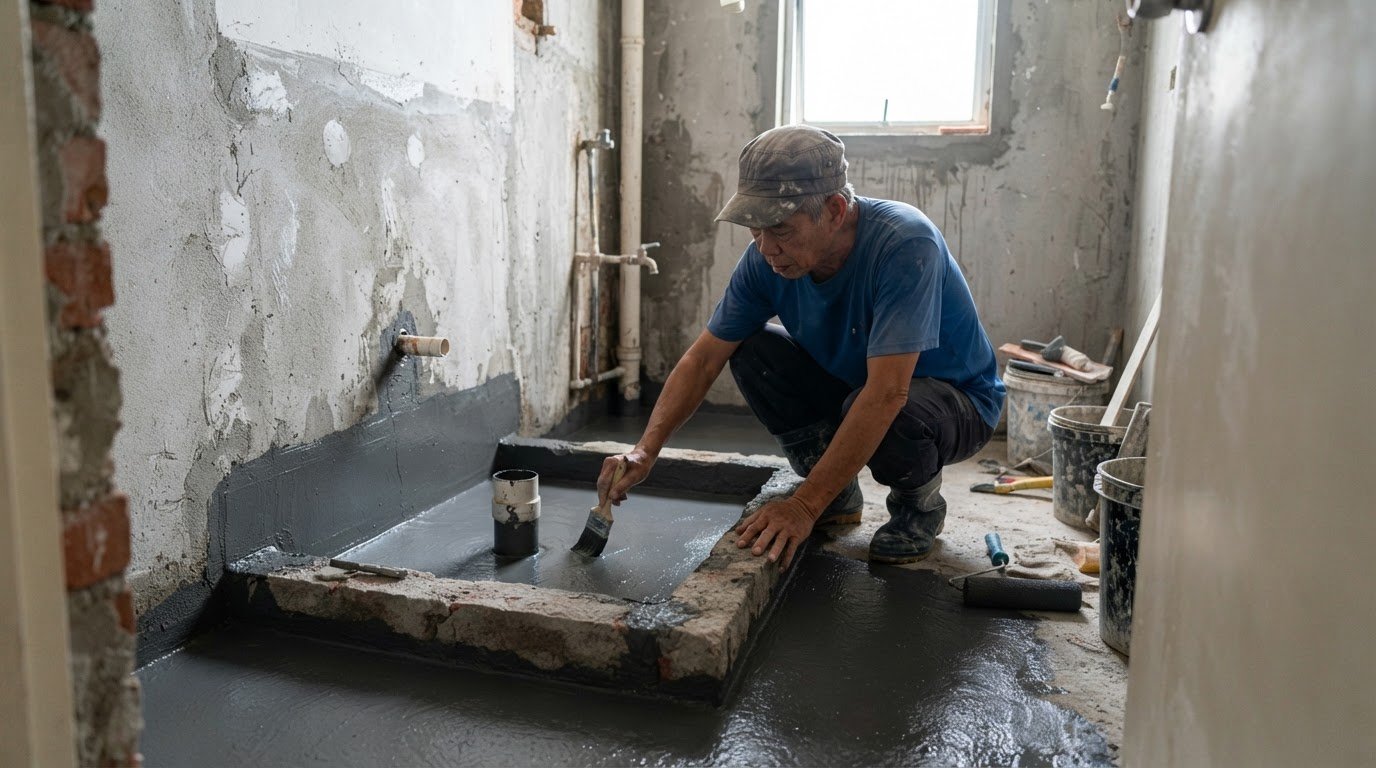
Floors: Assess damage from machinery or anchor bolts. The required finish might involve repairing cement screed or reinstating an epoxy coating, depending on the agreed handover condition.
Electrical and data points: Identify which points need to be removed, terminated or capped. Confirm the required condition with building management before disconnection.
Mechanical and Electrical Restoration
Factory M&E works can include returning distribution board boxes and wiring to the landlord’s original provision, as well as removing tenant-installed air-conditioning or industrial exhaust systems. Record existing connections and compare them with available handover information before dismantling. If work affects sprinklers or other fire safety measures, confirm the required arrangement and any submission needs with building management and relevant qualified professionals. The BCA guidelines and requirements are a useful starting point for building-work guidance. Verify current requirements for your specific scope.
Industrial Waste Management and Disposal
Hacking, equipment removal and M&E dismantling can generate bulky construction and demolition waste. NEA requires C&D waste to be properly processed and sorted for recycling in Singapore. Confirm the disposal arrangements with your contractor, including the use of licensed waste collectors and approved disposal facilities. Keep available disposal records and ask whether documentation can be provided for the landlord’s handover checks.
If the unit handled chemicals or other potentially hazardous materials, do not treat them as ordinary renovation debris. Confirm the material, handling requirements and appropriate disposal route with relevant parties before work begins. Requirements can depend on the substance and site conditions.
These tasks often overlap, so agree on the sequence for hacking, floor repairs, M&E removal and waste clearance before scheduling the final inspection. For factory reinstatement Singapore, a site-specific scope is more useful than a generic list. If you are preparing one, you can share your reinstatement checklist with JM & SONS General Contractor Pte Ltd to discuss the commercial and industrial reinstatement scope.
Navigating JTC and Private Landlord Requirements
There is no single reinstatement checklist for every industrial unit. The lease, the landlord’s instructions and the condition of the premises all shape the required scope. For JTC premises, tenants are contacted about a joint site inspection approximately six months before lease expiry. After the inspection, JTC provides requirements based on the lease. Confirm current instructions directly with JTC or building management, especially if you have heard terms such as “Standard” or “Enhanced” handover. Do not assume these labels mean the same thing across leases or sites.
Private industrial landlords, including Mapletree and CapitaLand, may issue property-specific checklists. Ask for the current checklist and compare each item with your agreement and the unit’s recorded condition at handover. A joint inspection before handover gives both parties a chance to resolve questions early. For example, confirm whether a machine base must be removed or a tenant-installed improvement can remain.
Common JTC Reinstatement Pitfalls
Pay attention to details that are easy to overlook during a factory shutdown. Floor-mounted machine bases may leave anchors or damage flooring. Lighting may need to return to its original positions, while modifications to an external facade or roller shutter may also fall within the agreed scope. Record these items during the site walk-through and get written confirmation of what must be removed, repaired or retained.
Fair Wear and Tear and Private Landlords
“Fair wear and tear” does not automatically settle who pays for a repair. The answer depends on the lease, the condition recorded at the start of the tenancy and the specific damage. Compare handover photographs and inspection records with the landlord’s current requirements. If the landlord may want to keep an improvement, seek written approval before leaving it in place. Do not rely on a verbal agreement at handover.
Check the lease for the deadline and the consequences of late reinstatement. For JTC premises, the stated requirements must be completed before lease expiry. JTC guidance also says tenants who have not completed the works or continue occupying the premises after expiry are liable for double rent from the expiry date. Private leases may set out different remedies, including liquidated damages. Review the relevant clause and seek appropriate advice if its meaning is unclear.
Include the inspection in your handover plan rather than leaving it to the final days of the tenancy. For factory reinstatement Singapore, a written scope agreed with the landlord helps align site work, approvals and expectations.
A Step-by-Step Factory Handover Checklist
Start early enough to clarify the scope, secure any required approvals and complete work before the handover deadline. For JTC premises, tenants are contacted for a joint site inspection approximately six months before lease expiry. For other industrial units, confirm the landlord’s process and dates directly with building management.
Phase 1: Planning and Documentation
Review the tenancy agreement 3 to 6 months before expiry. Note the handover date, reinstatement clauses and any conditions for returning the security deposit. Ask the landlord or building management to clarify unclear items in writing.
Record alterations. Compare the unit with its original-condition photos and identify tenant-installed additions, such as partitions, machinery supports, exhaust systems or changes to lighting.
Arrange a joint site walk-through. Walk the unit with building management and a contractor experienced in industrial reinstatement. This helps turn general requirements into a site-specific scope. JM & SONS General Contractor Pte Ltd provides commercial reinstatement works.
Prepare a detailed scope for quotations. List removal, repair, reinstatement and disposal items separately. Ask contractors to identify exclusions and assumptions so you can compare proposals fairly.
Confirm approvals and submissions. Check building management’s permit process and whether the planned work requires coordination with relevant authorities. If work affects fire safety measures, ask whether SCDF submission coordination is needed for the specific scope.
Phase 2: Execution and Compliance
Plan the sequence around site access, production shutdown and neighbouring units. Ask building management about permitted work hours, noisy activities, hoarding and dust-control expectations. If after-hours work is needed to limit disruption, confirm availability and approval requirements with the contractor and building management before setting the schedule.
As a general sequence, complete heavy dismantling and hacking before floor repairs, reinstatement of building services and final finishes such as painting. Keep a record of completed items and any changes to the agreed scope. Electrical points should be safely isolated, terminated or capped by appropriately qualified personnel. Confirm what documentation is relevant for the site.
Phase 3: Final Clearance and Handover
Before the joint inspection, remove remaining equipment and debris, check each checklist item and photograph the completed unit. Walk through with the landlord or building management, record any outstanding items and agree on how they will be addressed. Keep inspection notes and supporting documents with your handover records. Ensuring thorough surface cleaning and detailing is an essential part of preparing premises for handover; for property care and exterior maintenance services in Australia, learn more about Squirtz Property Detailing.
For factory reinstatement Singapore, a clear checklist helps coordinate the work and avoid leaving decisions until the final days. Share your lease requirements, site photos or reinstatement checklist with JM & SONS General Contractor Pte Ltd to discuss the project scope through WhatsApp.
Choosing a Reliable Industrial Reinstatement Contractor
Factory reinstatement can involve several workstreams, from hacking and floor repairs to electrical and fire-safety coordination. Choose a contractor who can explain how they will manage the agreed scope, site requirements and handover schedule. Credentials matter, but assess them alongside relevant industrial experience and clear communication.
JM & SONS General Contractor Pte Ltd is a BCA-registered contractor and BizSafe Level 3 certified. These credentials are useful points to verify when assessing contractors, but they do not replace checking that the proposed work suits your unit and the building’s requirements. Ask potential contractors about their experience with JTC and private industrial landlords, and request examples of comparable work where available. Confirm site procedures with building management.
In-house capabilities can help make a quotation more grounded. A contractor with in-house construction and hacking capabilities can assess connected work scopes directly. For example, removing machinery bases may reveal floor repairs that should be included. Ask for an itemised quotation that separates removal, reinstatement and disposal, and lists assumptions or exclusions. This makes proposals easier to compare and gives you a chance to discuss potential changes before work begins.
The JM & SONS General Contractor Pte Ltd Difference: Since 1990
JM & SONS General Contractor Pte Ltd has operated since 1990 as a second-generation family contractor. The business provides commercial and industrial reinstatement, supported by in-house construction and hacking capabilities and a 10,000 sq ft local carpentry facility. Its approach is grounded in accountability: define the scope clearly, explain what is included and provide a detailed quotation for review.
Final Steps: Getting Your Quote
To help a contractor understand the work, prepare the tenancy agreement’s reinstatement clauses, the landlord’s checklist, available floor plans and clear site photos. Mark altered areas, machinery bases, services and known floor damage. A site visit can verify details that drawings or photos may not show, helping ensure the proposed scope and quotation reflect actual conditions.
Before appointing a contractor, confirm the handover date, access arrangements, building-management requirements and any authority coordination that may apply. For factory reinstatement Singapore, these details help establish a workable scope before the final weeks of production and tenancy. Contact JM & SONS General Contractor Pte Ltd with your floor plan, site photos or reinstatement checklist to discuss your factory handover requirements.
Prepare for a Clearer Factory Handover
A smoother handover starts with a clear understanding of what your lease and landlord require. Confirm the scope in writing, allow time to plan approvals and site works, and keep records for the final inspection. These steps can help reduce uncertainty around handover.
For factory reinstatement Singapore, choose a contractor who understands industrial work and can explain what the quotation includes. JM & SONS General Contractor Pte Ltd is BCA registered and BizSafe Level 3 certified. The family-owned business has operated since 1990 and has a 10,000 sq ft local carpentry facility.
Share your floor plan, site photos or landlord’s reinstatement checklist to start a practical discussion about the work required. Contact JM & SONS General Contractor Pte Ltd to discuss your factory handover and request a detailed quotation. Clear requirements and steady planning can help you approach handover with greater confidence.
Frequently Asked Questions
What is the typical timeline for factory reinstatement in Singapore?
There is no single timeline for every factory. Duration depends on the agreed scope, site conditions, access and approvals. Start reviewing your tenancy agreement 3 to 6 months before lease expiry so there is time to clarify requirements, obtain quotations and plan the work. For JTC premises, tenants are contacted for a joint site inspection approximately six months before lease expiry. Confirm the handover deadline and current requirements with JTC or building management.
Can I leave my mezzanine floor behind if the next tenant wants it?
Possibly, but get written approval from the landlord or building management before leaving the mezzanine in place. A future tenant’s preference does not automatically change your reinstatement obligation. Check the lease and handover instructions, and confirm who has authority to approve retention. Also clarify whether records or approvals relating to the structure are required. Put the agreed decision in writing so it can be checked during the final inspection.
Do I need SCDF approval for reinstatement works?
Not every reinstatement project requires SCDF approval. If the proposed work affects fire safety measures, such as escape routes or fire protection systems, plans or approvals may be required under current requirements. Do not assume sprinklers or other systems can simply be removed or returned to an earlier layout. Ask building management what applies to your scope and verify requirements with the relevant professionals or authorities before work begins.
How much does factory reinstatement cost per square foot in Singapore?
There is no reliable per-square-foot figure that suits every factory reinstatement Singapore project. Cost depends on the site-specific scope, including machinery bases, floor repairs, partitions, ceilings, building services and waste handling. Request an itemised quotation based on the lease requirements, landlord’s checklist and a site assessment. Ask each contractor to state what is included, what is excluded and which assumptions could affect the final scope.
What happens if I cannot finish the reinstatement before my lease ends?
Missing the deadline can have financial and handover consequences, depending on your lease and the landlord’s requirements. JTC guidance states that tenants who have not completed reinstatement or continue occupying the premises after lease expiry are liable for double rent from the expiry date. Private leases may set out different terms. Contact the landlord or building management promptly if delays arise, and review your agreement or seek appropriate advice.
Is hacking of floor screed always required for industrial units?
No. Hacking floor screed is not automatically required in every industrial unit. The need depends on the tenancy agreement, the landlord’s written reinstatement scope and the floor’s condition. Machinery anchors or damaged coatings, for example, may need local repairs, while other floors may need different treatment. Ask the landlord to clarify the required finish and have affected areas assessed before including screed hacking in the work scope.
Does a reinstatement contractor handle industrial waste disposal?
Some reinstatement contractors can include waste handling in their project scope, but confirm this before appointment. Ask who will arrange collection, sorting and disposal, and what records can be provided for handover. NEA requires construction and demolition waste to be properly processed and sorted for recycling in Singapore. Confirm that arrangements use licensed waste collectors and approved disposal facilities. Clarify how any potentially hazardous materials will be handled.
What is the difference between a general contractor and a reinstatement specialist?
The key difference is relevant experience and familiarity with lease-led restoration work. A contractor experienced in industrial reinstatement should be able to assess machinery bases, floor damage, industrial services and landlord handover requirements. Ask for a clear work scope, an itemised quotation and examples of comparable projects. Also verify BCA registration and BizSafe Level 3 certification where relevant, and confirm site procedures with building management.

Comments